• 1600L Triple Door Upright Display Freezer for Retail & Supermarkets
  • 1600L Triple Door Upright Display Freezer for Retail & Supermarkets
  • 1600L Triple Door Upright Display Freezer for Retail & Supermarkets
  • 1600L Triple Door Upright Display Freezer for Retail & Supermarkets
  • 1600L Triple Door Upright Display Freezer for Retail & Supermarkets
  • 1600L Triple Door Upright Display Freezer for Retail & Supermarkets
  • 1600L Triple Door Upright Display Freezer for Retail & Supermarkets
  • 1600L Triple Door Upright Display Freezer for Retail & Supermarkets
  • 1600L Triple Door Upright Display Freezer for Retail & Supermarkets
  • 1600L Triple Door Upright Display Freezer for Retail & Supermarkets

1600L Triple Door Upright Display Freezer for Retail & Supermarkets

No.ES-D1880-3M-F

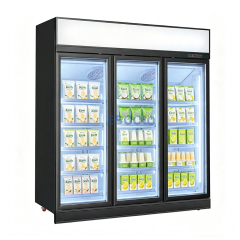
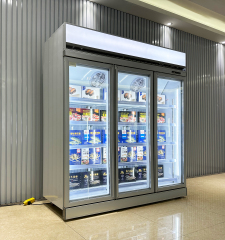
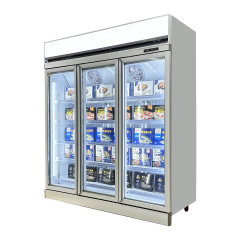
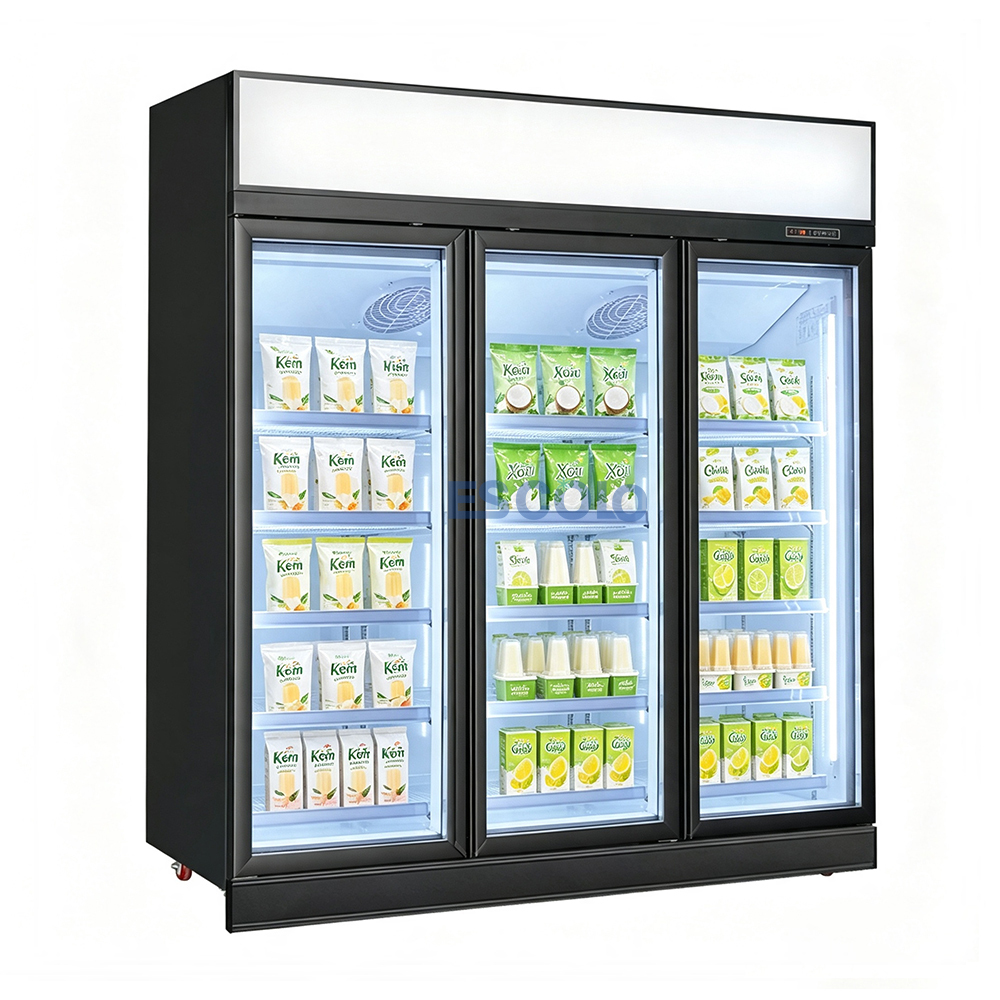
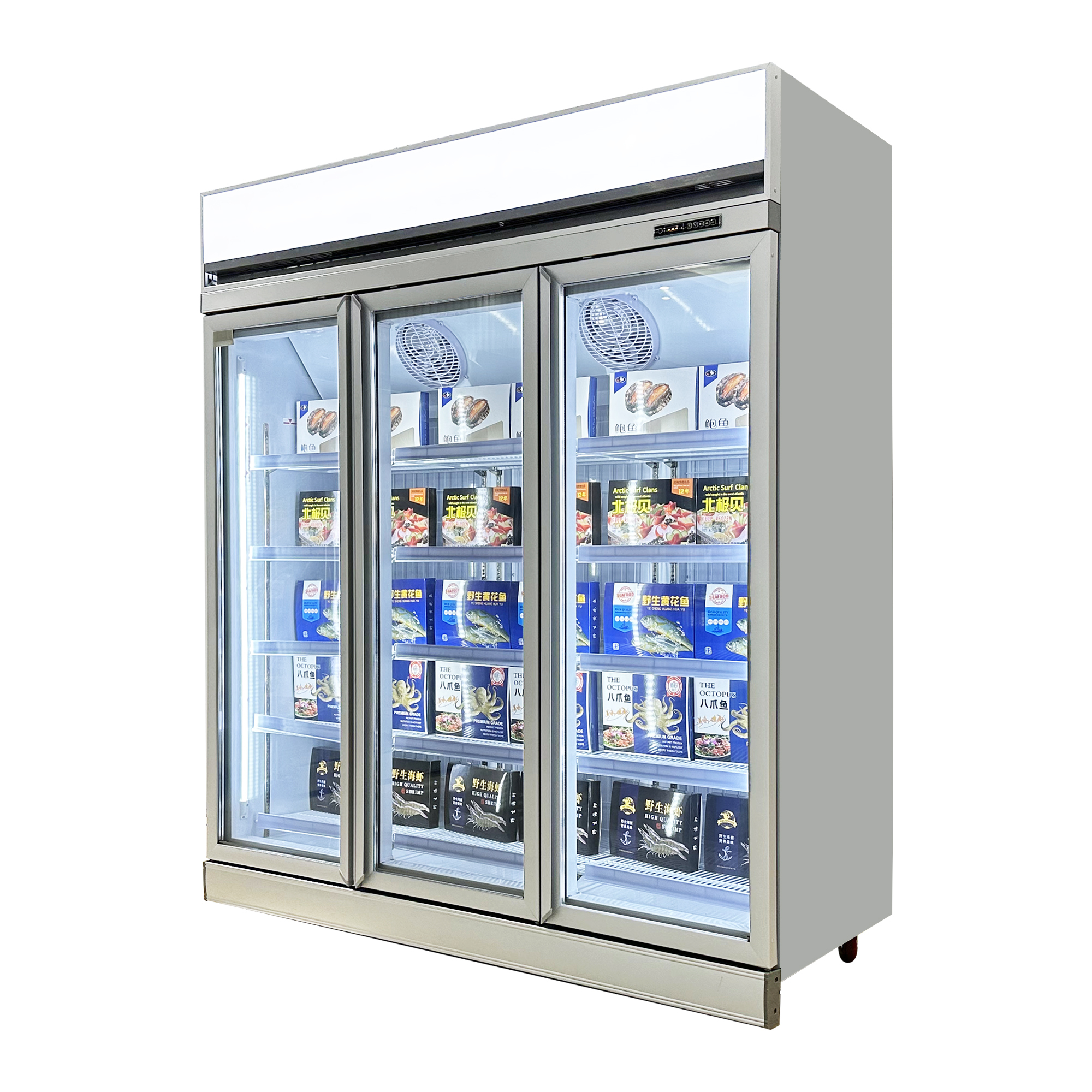
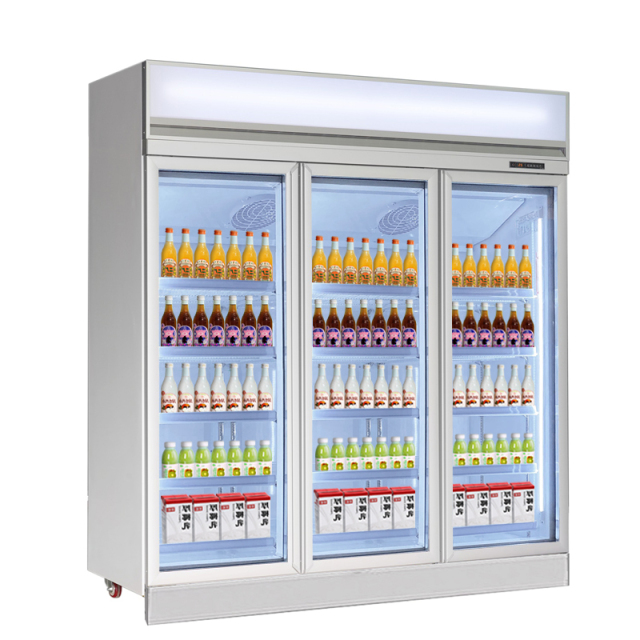
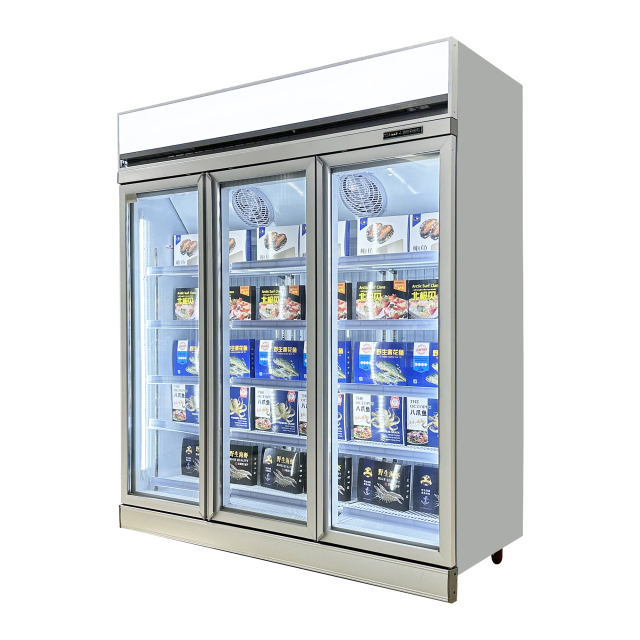
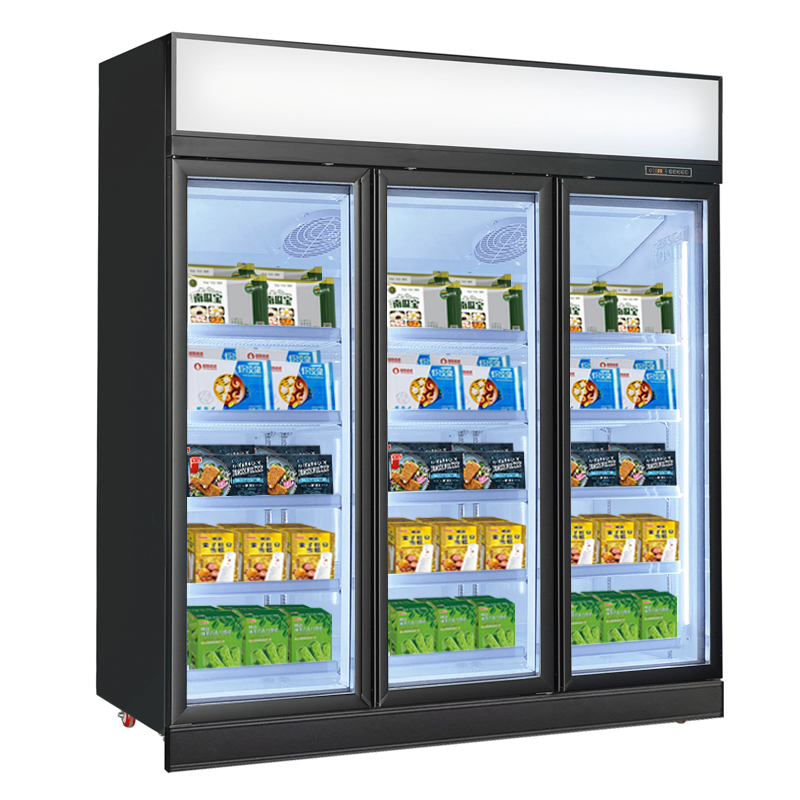
The ES-D1880-3M-F 1600L upright display freezer is designed for commercial retail applications, delivering stable freezing performance within a precise smart temperature control range of -22°C to -18°C. Equipped with a fan cooling system and auto defrost, it ensures consistent temperature distribution and reliable operation. Built with durable painted steel construction and a clear glass door design, it supports efficient product display and organized storage, making it a dependable refrigerator commercial solution for high-traffic retail environments.

ES-D1880-3M-F
1880*735*2090mm
  • 1600L Triple Door Upright Display Freezer for Retail & Supermarkets
  • 1600L Triple Door Upright Display Freezer for Retail & Supermarkets
  • 1600L Triple Door Upright Display Freezer for Retail & Supermarkets
  • 1600L Triple Door Upright Display Freezer for Retail & Supermarkets
  • 1600L Triple Door Upright Display Freezer for Retail & Supermarkets

Description

Product Overview

Commercial refrigerated display cabinet with glass doors and stocked shelves

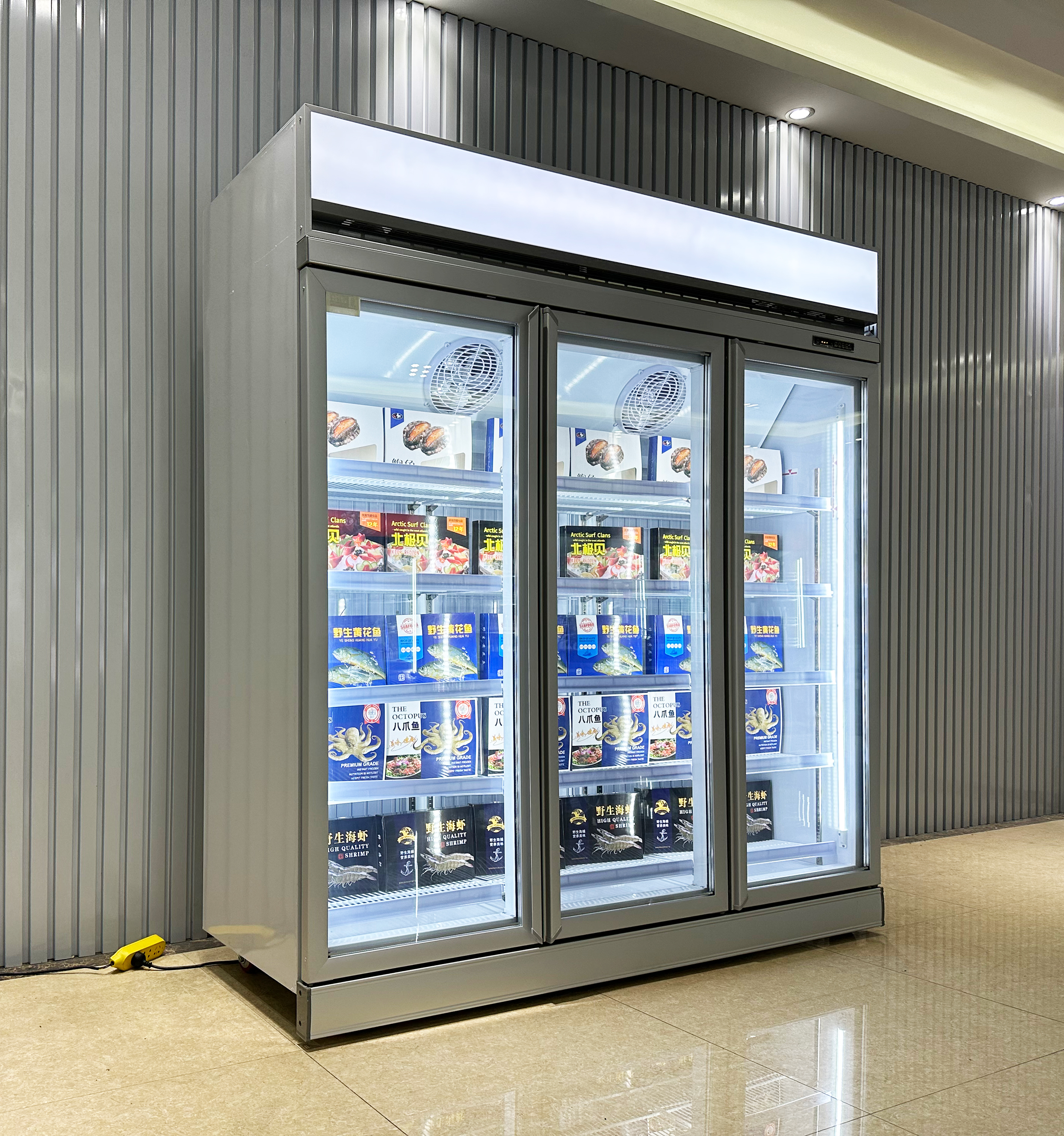
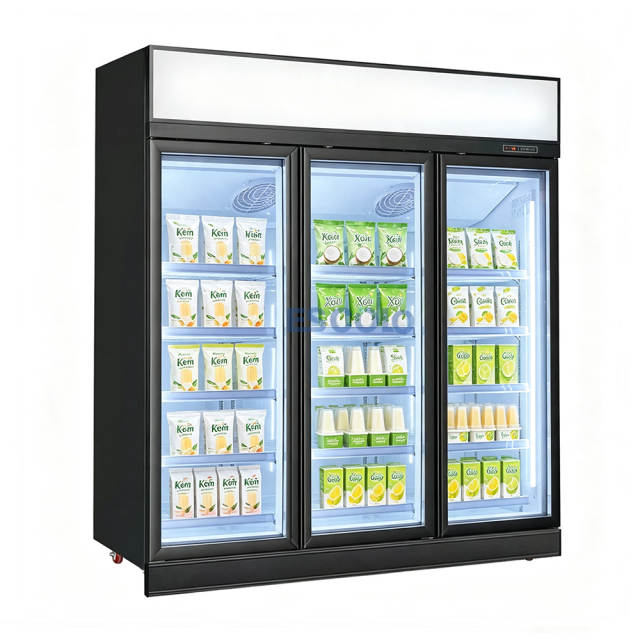
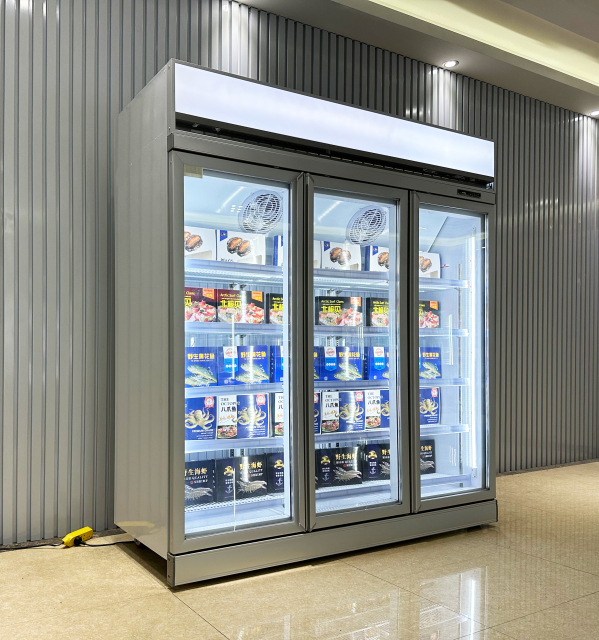
This 1600L upright display freezer — model ES-D1880-3M-F — is built to turn a run of frozen aisle into a browsable display. Three glazed bays share one cabinet, so packaged frozen food, ice cream, seafood, frozen vegetables and ready meals all sit at deep-freeze temperature in full view of the shopper, with no chest lid to lift and no walk to the back room to check stock. It replaces two familiar cabinet types. Next to a chest freezer it uses a similar patch of floor but works through the full height of the aisle, so the range reads at eye level instead of being buried at arm's depth. Next to a solid-door upright it turns cold storage into merchandising: packaging, labels and price flashes do the selling before anyone touches a handle. The cabinet suits supermarket and hypermarket frozen aisles, convenience store chains with a high frozen turnover, frozen food specialists, and foodservice sites that want frozen stock visible rather than hidden. Most orders come from importers and distributors fitting out several stores from one container, and from chains standardising the frozen aisle across branches. Day-to-day use is deliberately ordinary: open a bay, take out or replenish, close it, and let the fans and the controller hold the rest.

Key Features & Specifications

Capacity1600 L
Doors3 hinged doors, hollow glass
Temperature range-22 °C to -18 °C
CoolingFan-assisted air circulation
DefrostAutomatic
Temperature controlDigital controller
ShelvingAdjustable PVC shelves
LightingVertical LED
CompressorImported, top-mounted
CabinetPainted steel interior and exterior
Dimensions (W × D × H)1880 × 735 × 2090 mm
Container loading9 units per 20GP / 18 per 40HQ

Capacity & Display Layout

  • Categories the cabinet is built around. Packaged frozen food, ice cream and desserts, frozen seafood, frozen vegetables, ready meals and bake-off lines all live comfortably in the same box, and the depth takes case stock behind the front facing.
  • What 1600 L buys you in the aisle. Enough volume to hold a full category set facing the customer instead of a partial one — usually the difference between a shopper finding their brand in your store and finding it in the next one.
  • One door, one story. Treat each bay as its own zone — a brand, a category or a promotion — so a shopper reads the cabinet left to right instead of searching the whole run.
  • Case stock and facings together. Slow movers can sit deeper in the bay while fast movers stay at the front, which keeps the display full without a second trip to the storeroom.
  • Built for trading hours, not quiet ones. The volume is what lets a store keep facings full through a Saturday without staff constantly working the aisle.
  • What it is not. This is a display and holding freezer for stock that is already frozen; it is not a blast freezer, and it is not intended for fresh or chilled product.

Triple Door Access Design

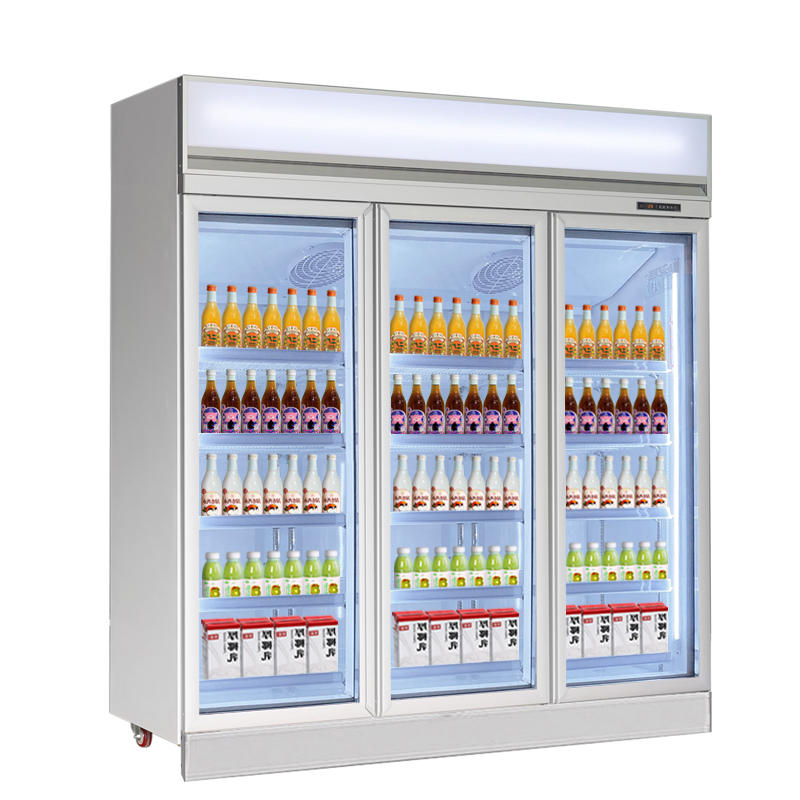
The three doors are hinged hollow-glass panels with a handle on each, and they are the reason a cabinet this wide stays manageable in service. A shopper or a member of staff opens one bay at a time, so only a third of the cabinet face is exposed when someone reaches in, while the other two compartments keep working. In a busy aisle that shows up as less cold air spilling out on a warm afternoon and fewer temperature swings for the stock behind. For staff it changes the restocking routine as well. One person can work a single door — pulling a cage alongside, filling the bay and closing it — without blocking the rest of the cabinet or taking the whole display out of service. Each door has its own handle, so the pull is obvious and the door closes squarely rather than being pushed shut from the edge. Glass does the merchandising too. A clear front lets a shopper compare three bays at once, and the cabinet reads as one display rather than three separate units. For stores that already use a glass door display freezer as the anchor of the frozen aisle, this is the wide version of that idea: the same visibility, with three points of access instead of one.
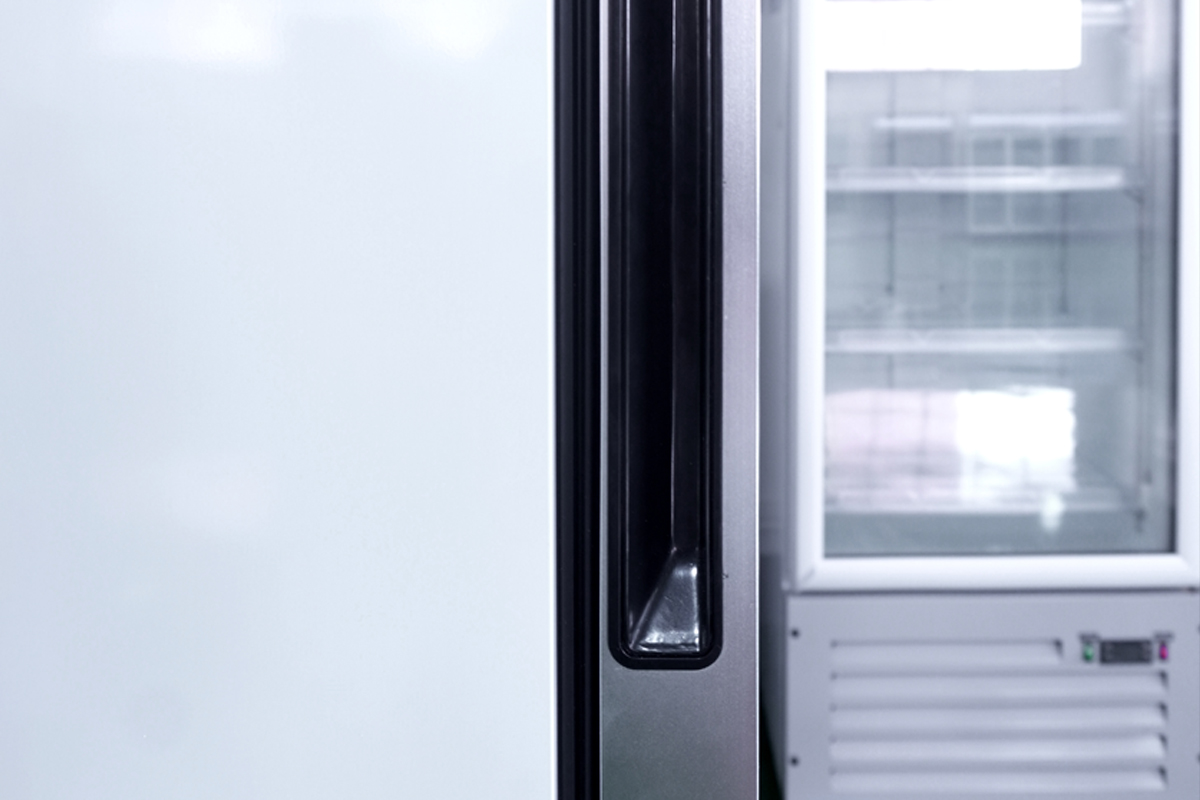
White glass-door display refrigerator with black handle and interior shelves
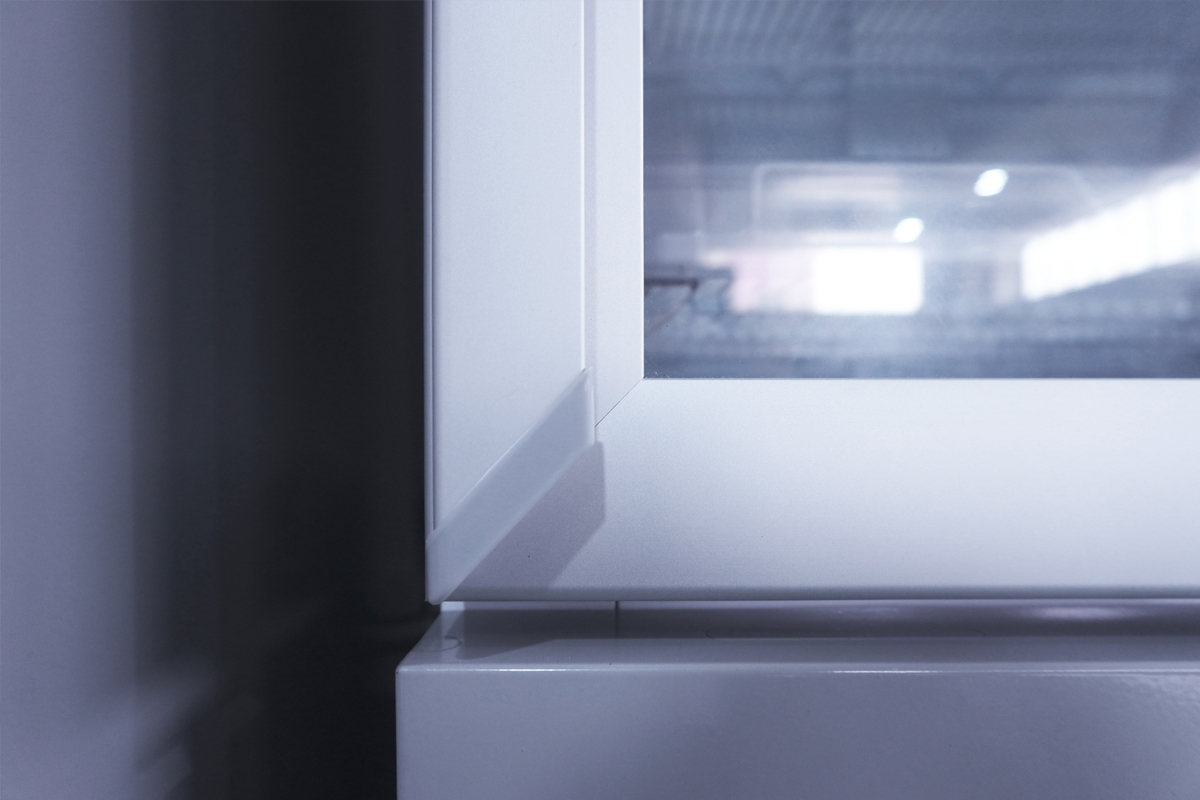
White refrigerator door corner with glass panel and molded frame

Fan Cooling & Temperature Stability

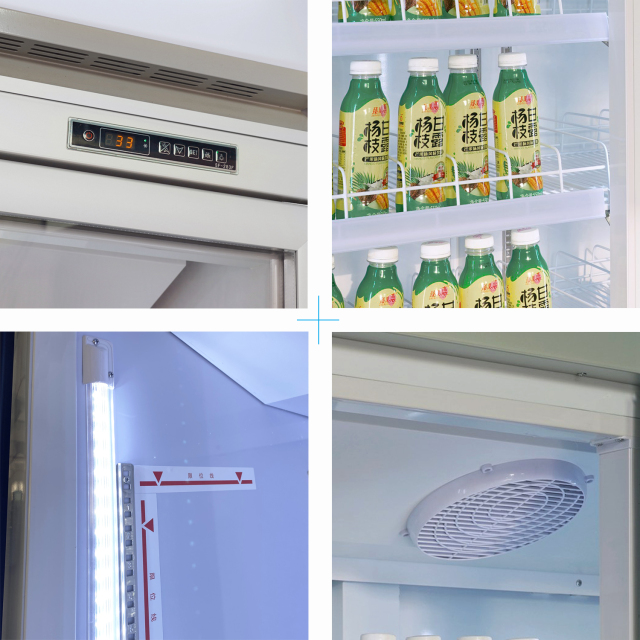
  • Air that moves, not air that sits. The fan system pushes cold air through all three compartments instead of letting it pool at the bottom of the cabinet, so the top shelf works as hard as the bottom one.
  • The same conditions in every bay. Product in the left-hand bay sits in the same conditions as product in the right-hand bay, which matters when a shopper compares two flavours side by side.
  • Recovery after a door closes. When a bay is open during trading, cold air leaves and warmer air drifts in; the fans pull that compartment back into condition once the door shuts, so the next opening starts from a stable cabinet.
  • One busy bay does not drag the other two. Because air is circulated rather than shared passively, heavy traffic at one door does not pull the neighbouring compartments out of condition.
  • Defrost on a cycle, not on a crisis. The cabinet defrosts automatically, so ice does not build on the cooling surfaces and the cabinet is never asked to work through a frost layer.
  • What it means on the shop floor. Fewer mid-shift checks, less shuffling of stock between shelves to chase cold spots, and a display that behaves the same on a quiet Tuesday and a busy Saturday.

Smart Temperature Control

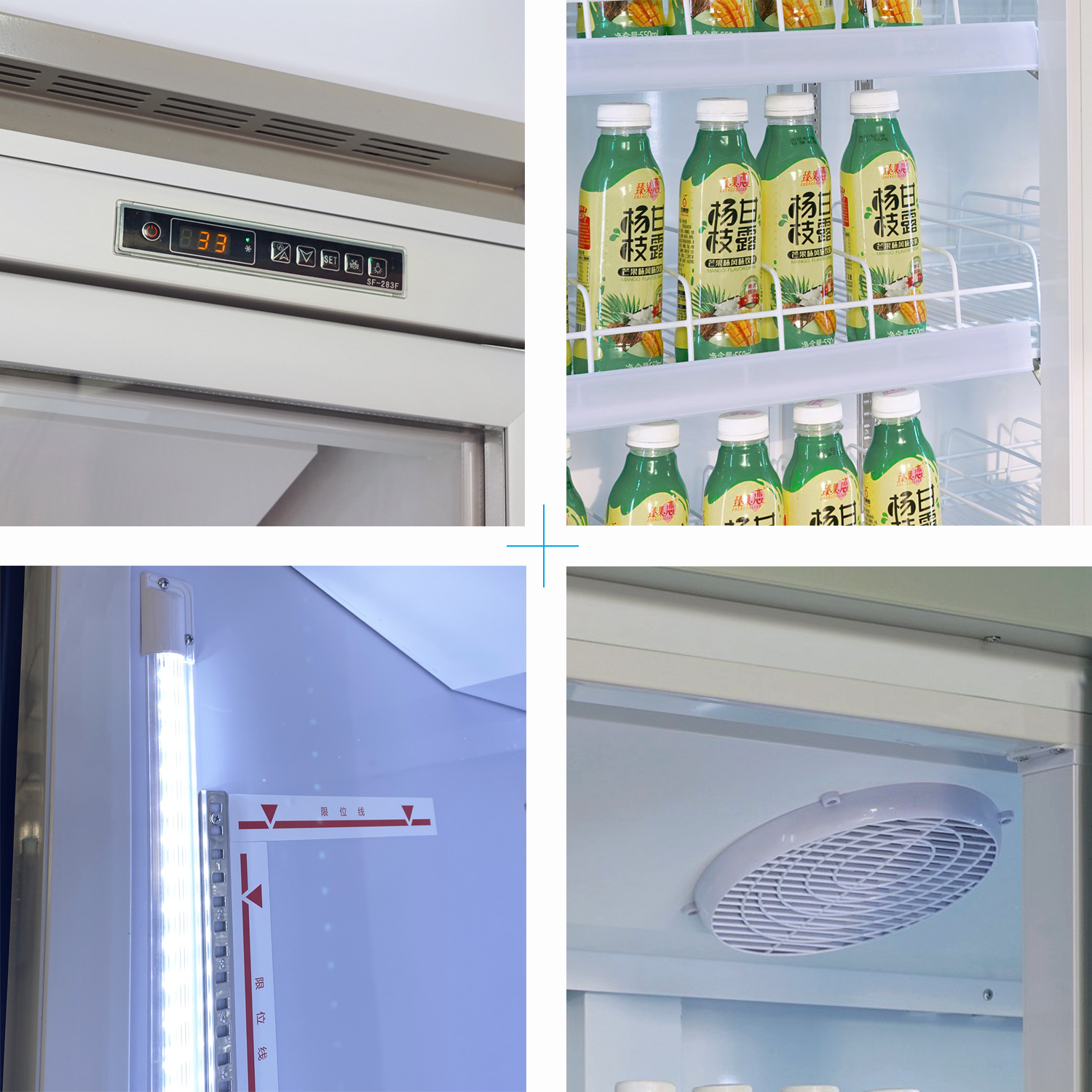
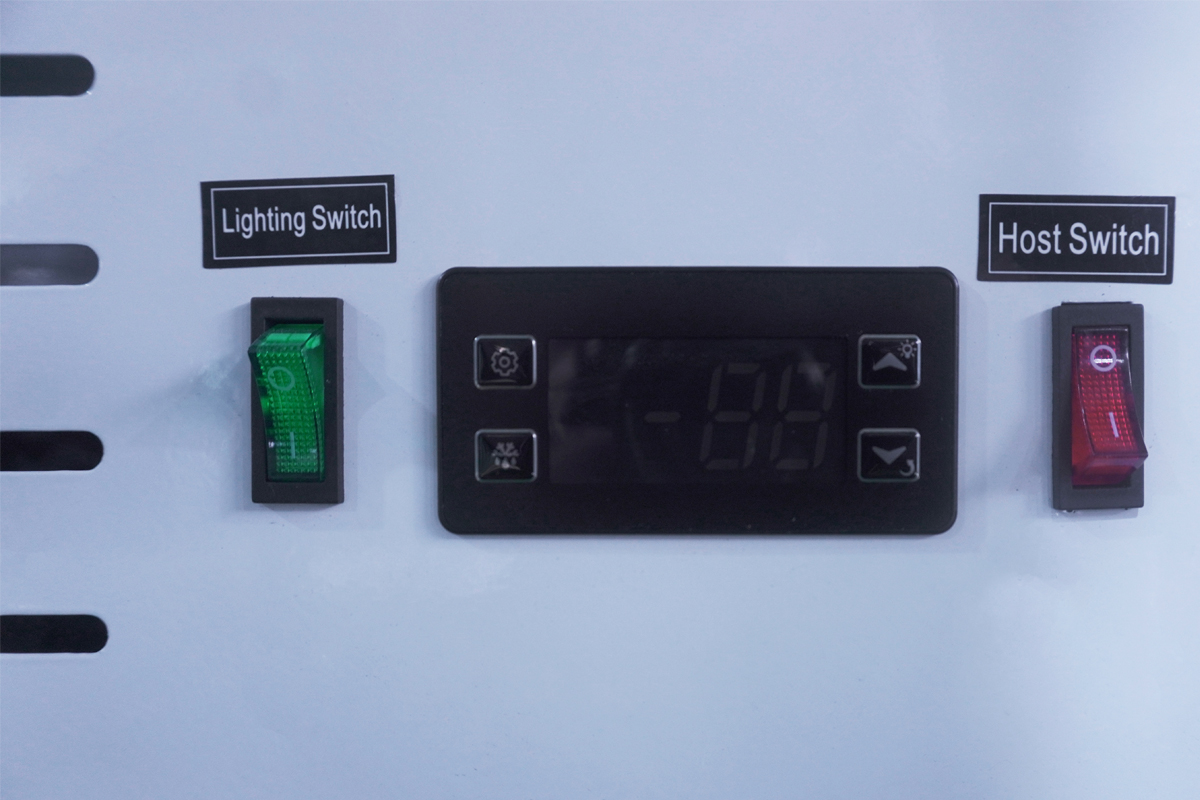
The 1600L upright display freezer is set from a digital controller rather than a dial, and that is the part a store manager actually lives with. Staff choose the target, the controller reads the cabinet and calls for cooling as needed, and the door traffic of a normal trading day is absorbed without anyone intervening. Because this is a smart temperature commercial freezer for store floors, the daily routine is reading rather than adjusting: a glance at the display during the morning walk-round tells you whether the cabinet is where it should be. Two habits get more out of the controller. First, match the set point to the load — a cabinet given over to ice cream sits at the colder end of the band, while packaged frozen food is comfortable across it. Second, keep the set point identical across stores. Chains running several branches gain real value when every branch uses the same setting and the same daily check, because a drift then appears as an exception in one store rather than being accepted as normal everywhere. If a reading looks wrong, the first checks are practical rather than technical: a door not closed squarely, a shelf pushed back against the air path, or a bay loaded past its facings. Those three account for most call-outs on a display freezer, and all three are fixed on the store floor before anyone needs to open the machinery section.
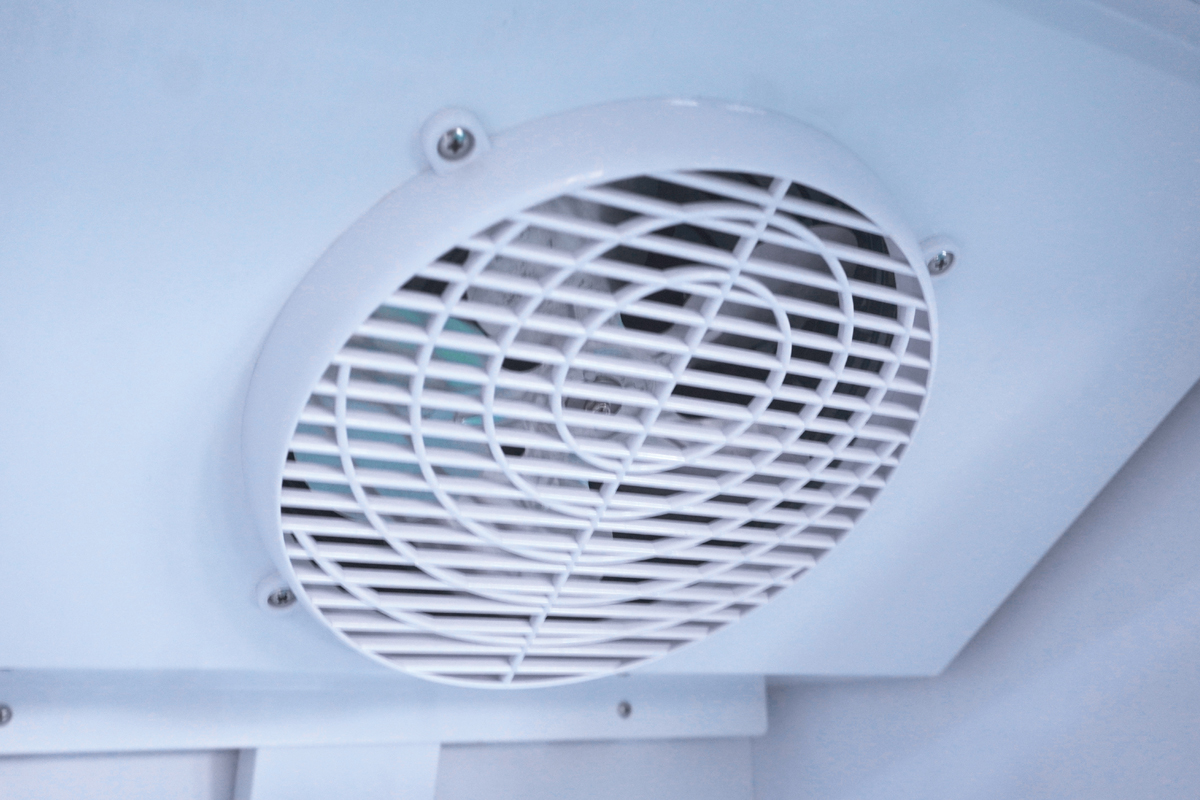
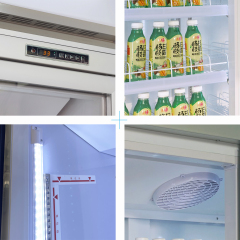
Circular white cooling fan grille inside refrigerator
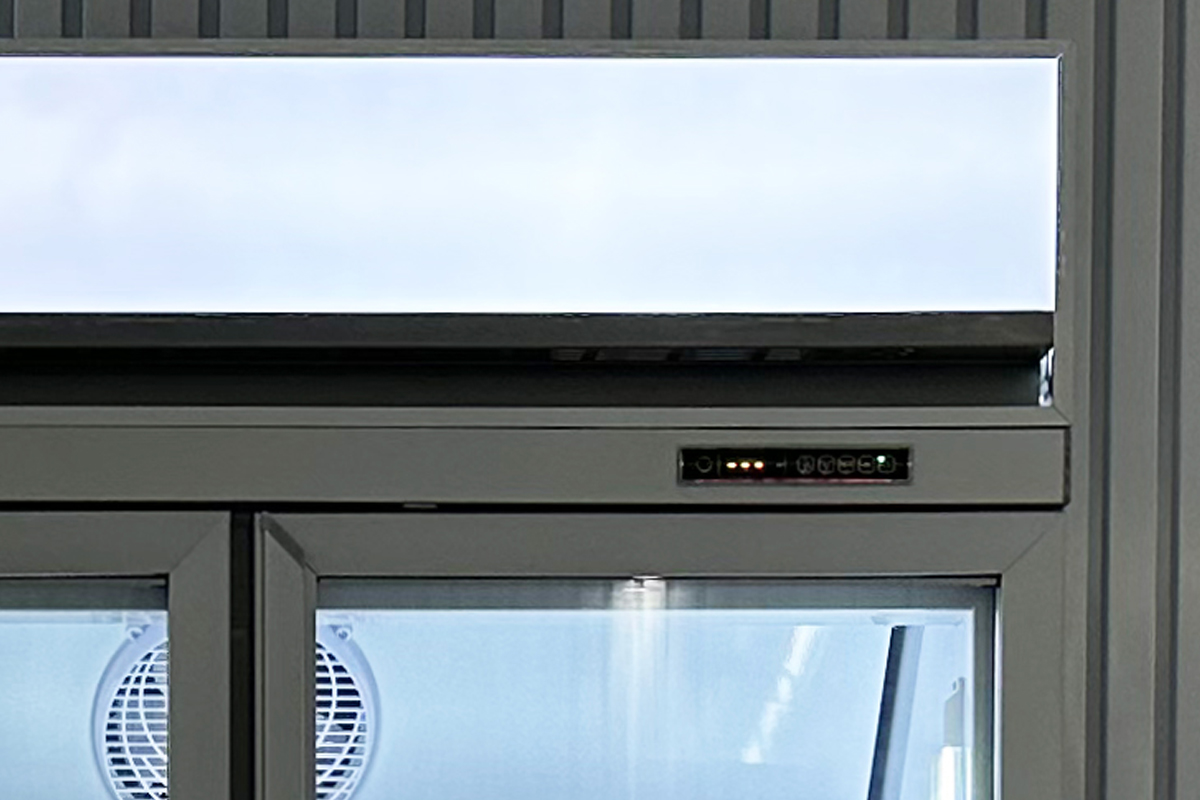
Refrigerator control panel with lighting and host switches and digital display

Interior Shelving Setup

  1. Assign each door a job before you touch a shelf: one category, one brand family or one promotion per bay, so the shopper learns the cabinet in one pass.
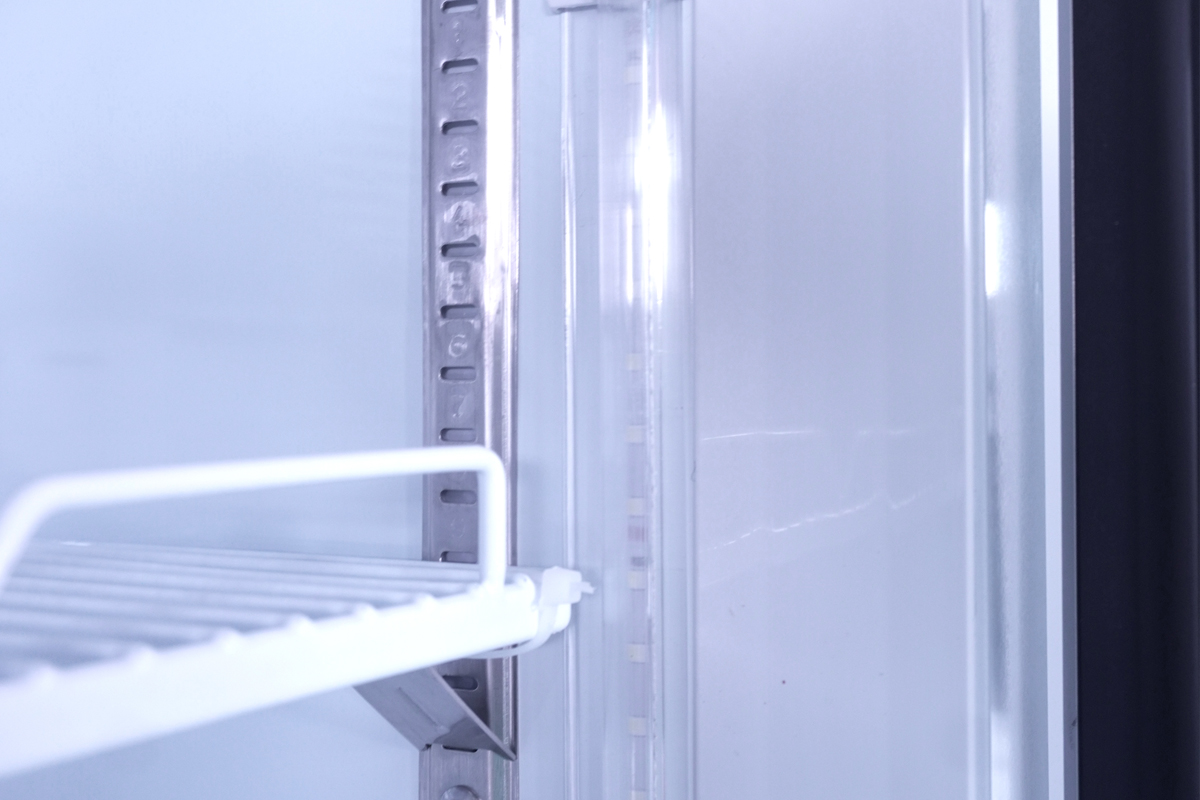
  2. Set the shelf heights around the tallest pack in each bay, using the adjustable PVC shelves to give yourself clearance above the product rather than forcing packs in.
  3. Put heavy case stock low and facings above it, so the cabinet stays stable to load and quick to replenish during trading.
  4. Keep the top shelf for light or slow-moving lines — that is where the eye reaches last and where oversized packs cause the least disruption.
  5. Load behind the front facing, never on top of it, so the front row stays upright and the bay keeps a clean line down the glass.
  6. Review the layout after the first trading week and move one shelf rather than rebuilding the whole cabinet; the second version is almost always closer to what your customers actually buy.
Refrigerator interior with white wire shelf and clear plastic strip curtain

LED Lighting & Merchandising

  • Every shelf, lit. Vertical LED strips run the full height of each bay, so the bottom shelf gets the same treatment as the top instead of fading into shadow.
  • Light on the product, not on the floor. The strips sit inside the cabinet and work through the glass, which keeps the aisle calm while the facings stay bright.
  • Low running draw. The lighting is energy-efficient and switched with the cabinet, so it adds display impact without adding meaningfully to the daily power bill.
  • Reads well at a distance. Ice cream tubs, seafood boxes and promo packs carry their branding on the front face, and even vertical light is what makes those fronts legible from the middle of the aisle.
  • Where it earns its keep. Door facings, new lines and promotional ends are where a lit cabinet turns a browser into a buyer — and on a glass door display freezer, that is most of the cabinet.
Top of glass-door refrigerator with illuminated sign and digital control panel

Compressor, Build & Continuous Operation

The refrigeration hardware sits at the top of the cabinet: an imported compressor in a top-mounted section, above the display rather than under the floor of the bay. That arrangement buys two things. The full internal height stays available for shelves, because no machinery compartment eats into the bottom of the cabinet, and service access happens from above, away from the aisle where trolleys and shoppers pass. Around the hardware, the cabinet is built in painted steel inside and out. That is a working choice rather than a decorative one: painted steel wipes down after a spill, takes the knocks that come with cage restocking, and hides the scuffs a bare metal finish would show. The interior is smooth enough that a split pack can be cleared without dismantling a run of shelves. Continuous operation is the design brief. A supermarket freezer runs every trading hour of every day, and its doors open hundreds of times in a shift. The compressor, the fan system and the controller are matched to that duty rather than to a quiet test room, which is what keeps performance steady through the months when the cabinet is never switched off. When you plan the installation, leave the top of the cabinet reachable and give the machinery section air around it. A service visit that takes minutes is easy to schedule; one that needs the aisle closed is not, and most of that difference is decided on installation day.
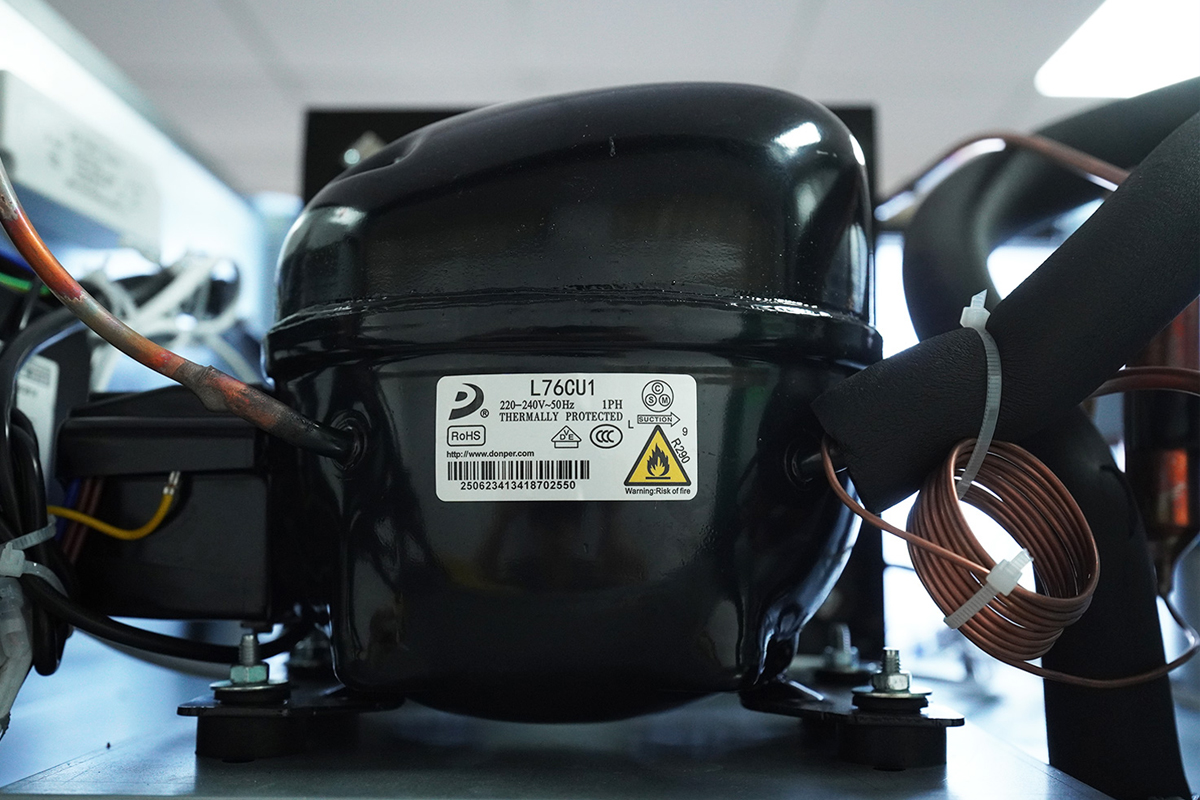
Black hermetic refrigeration compressor with copper tubing and wiring

Application Scenarios

  • Supermarket and hypermarket frozen aisles. One cabinet per bay, zoned by category, so the aisle reads as a continuous frozen offer rather than a set of unrelated boxes.
  • Convenience store chains. A single cabinet can carry a whole frozen range — ready meals, ice cream, vegetables and seafood — so the store keeps its floor space for the categories that turn fastest.
  • Frozen food specialists. The volume lets a specialist show depth in one category: several brands of the same product, side by side, at eye level.
  • Ice cream and dessert sections. Visible tubs and multipacks, with the colder end of the working band reserved for the most temperature-sensitive lines.
  • Commercial kitchens and foodservice. Frozen stock stays in the room where it is used and stays visible to the team, which shortens the walk between the pass and the freezer.

Ordering & Delivery

  1. Start with our team as your 3 door upright freezer supplier: tell us how many stores you are fitting out and how many units each one needs, so the order is planned as a project rather than a one-off.
  2. Confirm the configuration for each store — how the shelf plan is set, whether the standard layout suits your pack sizes, and whether any unit needs a different arrangement.
  3. Confirm the electrical supply for your market. Give your sales contact the voltage, frequency and plug standard you need before the order is fixed, so the cabinets arrive ready for your installation team.
  4. Plan the container. This glass door freezer line ships from one container, and each cabinet size has its own loading figure, so a mixed order can be built around the space you have.
  5. Agree inspection, documents and timing. Tell us which certificates and test documents your market requires, and confirm the production and shipping schedule with your sales contact; ask for the cabinet drawing, specification sheet and container loading plan for your project file at the same time.
  6. Agree after-sales cover. After-sales support and warranty are handled through your sales contact — confirm what is covered in your market, how a service request is raised and how spare parts are supplied before the first delivery.

Size & Model Selection

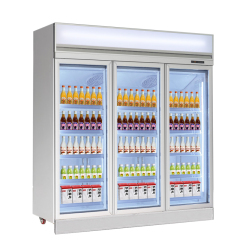
  • Confirm the temperature class first. Every cabinet in this series is a freezer working between -22 °C and -18 °C. The chilled merchandisers that sit beside it in the same catalogue look almost identical from the aisle — same glass front, same vertical LED, same handle — but hold 0 °C to +10 °C for drinks and chilled food. Read the rating plate rather than the cabinet front: the temperature class is printed there, and the model number on this freezer series carries an -F suffix.
  • Why the mix-up is the expensive one. Frozen stock that spends a trading day in a chilled cabinet softens and refreezes, and bottled drinks or cans left in a freezer split or burst. Either way you are re-merchandising an aisle, writing off stock and waiting for the right cabinet — so settle the temperature class before you settle the size.
  • One footprint, four widths. Every model in the series is 735 mm deep and 2090 mm high; only the width changes — 620 mm on the single door, 1250 mm on the two-door, 1880 mm on this three-door and 2500 mm on the four-door. A rollout can step up or down in size between store formats without redrawing the aisle, the plinth or the header line.
  • 500 L, single door. A secondary frozen zone, a small-format store or a forecourt shop carrying a top-up range rather than a whole category. 24 units load into a 20GP.
  • 1200 L, two doors. The step up for convenience stores and compact supermarkets where one cabinet has to cover ready meals, ice cream, vegetables and seafood. 12 units per 20GP, 27 per 40HQ.
  • 1600 L, three doors. This model: a full frozen category set at eye level with three points of access. 9 units per 20GP, 18 per 40HQ.
  • 2000 L, four doors. Hypermarket frozen aisles and frozen food specialists showing depth across several brands. 6 units per 20GP, 12 per 40HQ.
  • How to choose between them. Measure the linear run you can give the frozen aisle, count the facings your range needs and check how often staff would have to restock from the storeroom. A store that tops up a small range daily is wasting refrigerated volume with a four-door cabinet; a store that turns a full frozen category every week will be working a single door cabinet all day.
  • Mixing sizes in one container. Because depth and height are shared across the range, an importer can put 500 L and 2000 L cabinets in the same order and keep the aisle line consistent between formats, with each model's own loading figure used to build the container plan.

Cleaning & Maintenance Routine

Between service visits the cabinet is looked after by store staff, and the routine is short. Glass first: wipe the front and the door edges with a soft cloth and ordinary glass cleaner at the start of trading, before warm air has had a chance to fog the panes, and keep abrasive pads and solvent away from the painted frame, which they dull rather than clean. Once a week run a thumb around each door seal — a gasket that feels tacky, gritty or split along the frame is the usual reason a bay starts misting up or the compressor runs longer than it should, and a wipe with warm water and mild detergent keeps the seal supple. Inside the cabinet. Work one shelf at a time rather than stripping a whole bay: lift the shelf out, clear any spill from a split pack before it freezes hard to the surface, and check that nothing has been pushed back against the air path at the rear. The cabinet defrosts automatically and the melt water drains to a self-evaporating tray, so there is no ice to chip and no bucket to empty; check the tray is clear of packaging scraps and sits squarely, and never use a knife or scraper on the cooling surfaces. Around the machinery. The compressor sits at the top of the cabinet, so the most common cause of a hard-working freezer is a cabinet top used for storage. Keep the machinery section clear, and have the condenser coil cleaned on a schedule that matches your store — a flour-heavy bakery aisle or a dusty forecourt needs it more often than a clean supermarket floor. Painted steel wipes down with mild detergent and water; skip the pressure washer, and touch in any scratch on the frame before the finish starts to lift. Keep a one-page log. Note the controller reading each morning, the date of the last gasket check and the date of the last coil clean. It shortens every service call, and it lets a chain compare branches instead of guessing which one is drifting. When you place the order, ask your sales contact which spares are worth holding for your market — door gaskets and handles take the most wear in a busy aisle — and confirm the after-sales route at the same time.

Large Capacity Storage for High-Volume Commercial Display

Frozen ranges move quickly in a busy store, so storage has to keep pace without turning the stockroom into a maze. This upright freezer gives you a 1600L internal space, enough to hold a full spread of ice cream, frozen meat, seafood, prepared meals and packaged frozen goods in one unit. The triple-door layout means staff open only the section they need, so access stays quick and less cold air escapes each time a door is opened. For supermarkets and grocery stores running high-volume display, that mix of bulk capacity and controlled access makes it easier to keep the cabinets full right through the day.

Durable Commercial Construction for Long-Term Use

Commercial refrigeration runs all day and is opened constantly by staff and shoppers, so the build has to cope with that routine. This upright display freezer is made with commercial-grade materials selected for long-term durability, which helps it hold steady performance in demanding commercial environments such as supermarkets and grocery stores. Specific material, finish and cabinet construction details can be confirmed with our team before you order, so you know exactly what suits your floor.
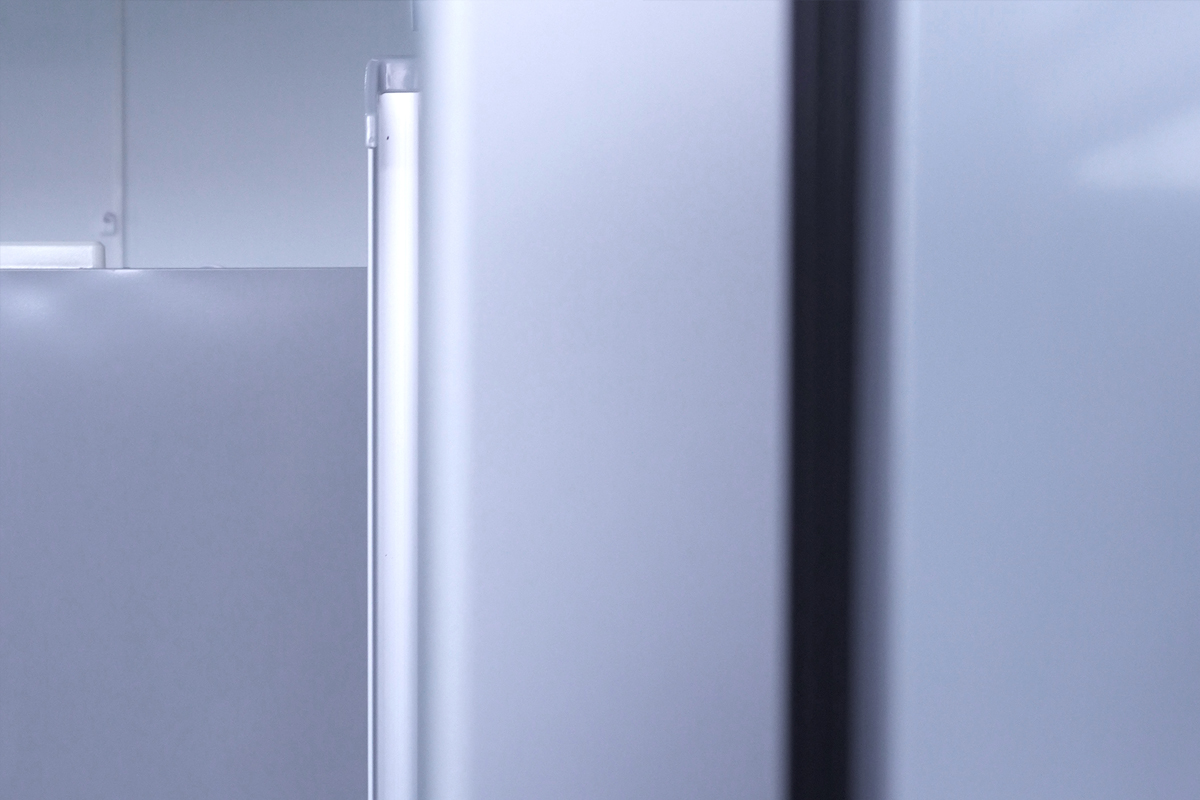
White cabinet panels with dark vertical seam and gasket

Scale & Supply Capability

ESCOLO has manufactured commercial refrigeration equipment in Foshan, Guangdong since 2010, and the team now numbers more than 800 people. Fifteen-plus years in the trade, a network of 3,000+ qualified partner factories and an annual output of 200,000+ units let us run container-scale programmes and repeat orders for supermarket, convenience and foodservice buyers. OEM and ODM work is standard: size, colour, function and your own branding are set to the specification you send. Factory audit, pre-shipment inspection, consolidated shipping and after-sales support are handled in-house.

FAQ

How much stock does a 1600L upright display freezer actually hold?

The cabinet holds 1600 litres across three compartments. In practice that is a full frozen category set for a supermarket bay: several shelves of packaged frozen food, one bay of ice cream or desserts, and room for seafood or vegetables alongside, depending on how you zone it. The exact number of cases depends on pack size and on how deep you load behind the front facing, so plan the shelf layout around your own top-selling lines rather than a nominal figure.

Does a smart temperature commercial freezer for commercial applications need an engineer to set it up?

No. The cabinet is set from a digital controller, and the routine is reading and confirming rather than programming. Your team sets the working band on installation, checks the display during the daily walk-round and adjusts only when the product mix changes. We do recommend that every store uses the same setting and the same daily check, so a drift shows up as an exception in one branch instead of becoming normal across all of them.

What is the difference between this freezer and a glass door display freezer for drinks?

Operating temperature is the whole difference. This cabinet runs at deep-freeze temperature for frozen food, ice cream and frozen seafood, while a drinks merchandiser runs above zero for chilled beverages. The two look similar from the aisle — glass front, LED lighting, vertical doors — but they are not interchangeable, and frozen stock should never be moved into a chilled cabinet to make space.

Which size should I choose if the full cabinet is more than my store needs?

The same series runs from a single-door 500 L cabinet up to a four-door 2000 L model, with 1200 L and 1600 L in between, so you can match the cabinet to the depth of your frozen range and to the aisle width you have. Smaller stores usually do better with the two-door version and a tighter category set; hypermarkets and frozen specialists get more from the wide cabinets. Working with one 3 door upright freezer supplier across a rollout keeps the shelf plan, controller and service routine identical in every branch.

Will the glass stay clear in a busy aisle?

The doors are hollow glass panels and the fan system keeps air moving inside the cabinet, which together limit condensation on the front in normal store conditions. Keep the doors closing squarely and avoid loading product against the glass, since those are the two things that usually cause a cloudy front. If your store runs very humid or the cabinet sits near an entrance, say so when you order and we will advise on the right setup.

How do we clean and look after the cabinet?

Day to day it is a wipe of the glass, a check that each door closes flush, and a glance at the controller reading. Weekly, pull one shelf at a time, clear any spill from a split pack and make sure nothing has been pushed back against the air path at the rear of the bay. Two habits prevent most call-outs: closing doors squarely instead of letting them swing shut from halfway, and never stacking product above the shelf height you planned for.

Download

CONTACT US

If you have any queries, get in touch today! Don't hesitate. We try to take the extra step for our customer satisfaction.
Name
Email *
Company
What Is Your Expected Order Quantity? *
1–10 units
11–50 units
51–100 units
101–300 units
301–500 units
500+ units
Leave a message
Name
Email *
Company
What Is Your Expected Order Quantity? *
1–10 units
11–50 units
51–100 units
101–300 units
301–500 units
500+ units