
On July 13, 2026, the ESCOLO manufacturing headquarters welcomed a long-standing partner from Iraq. As a major commercial refrigeration procurement entity in the region, this client historically secures up to 30,000 glass door refrigerators from our factory annually. However, the first six months of 2026 brought unprecedented operational friction. Ongoing regional conflict and skyrocketing international freight rates forced a complete halt in his purchasing cycle. For the entire first half of the year, he placed zero new orders.
"My warehouse is completely empty. If I do not procure equipment right now, we will be out of stock entirely."
— The client's opening statement upon arriving at the factory
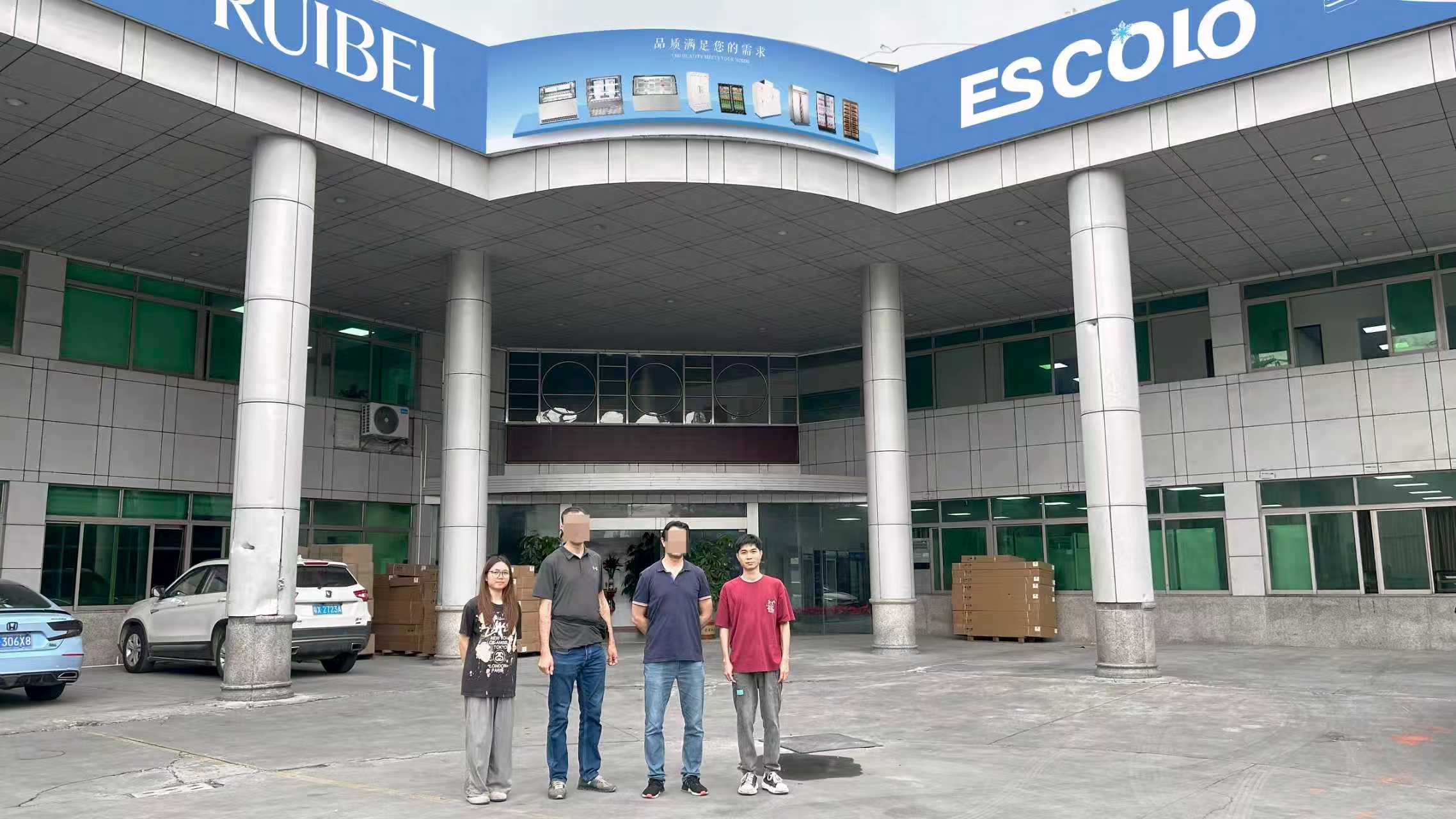
In Iraq, summer temperatures routinely spike past 50 degrees Celsius. Under these extreme weather conditions, commercial refrigeration ceases to be a discretionary retail upgrade; it becomes a rigid survival necessity for any food or beverage business. As the severe heat wave swept through Baghdad, the local market experienced a dramatic shock. Retail prices for air conditioning and commercial cooling equipment nearly doubled, and inventory from international brands vanished from the shelves.
Unable to wait for shipping costs to normalize, our partner took immediate action. He placed a massive emergency order on the spot: 5,000 double-door glass coolers and 3,000 triple-door glass coolers. The total volume stood at 8,000 heavy-duty units, with a non-negotiable delivery window of just 30 days.
Fulfilling an 8,000-unit order in 30 days during a period of global supply chain disruption is a severe logistical test. Over the preceding months, we had observed many industry peers adopting a passive, wait-and-see approach. Across the Middle East, order volumes had plummeted. Even clients who had signed contracts were delaying their shipments, hoping for freight rates to drop and regional tensions to ease. The broader industry was essentially paused.
ESCOLO took a fundamentally different approach. Our assessment of the Iraqi market indicated that consumer demand was not disappearing; it was merely delayed. Supported by ongoing post-conflict reconstruction and steady demographic growth, the baseline requirement for commercial cold storage remains highly resilient. A rigid physical need for refrigeration in a 50-degree climate cannot be canceled by temporary shipping costs.
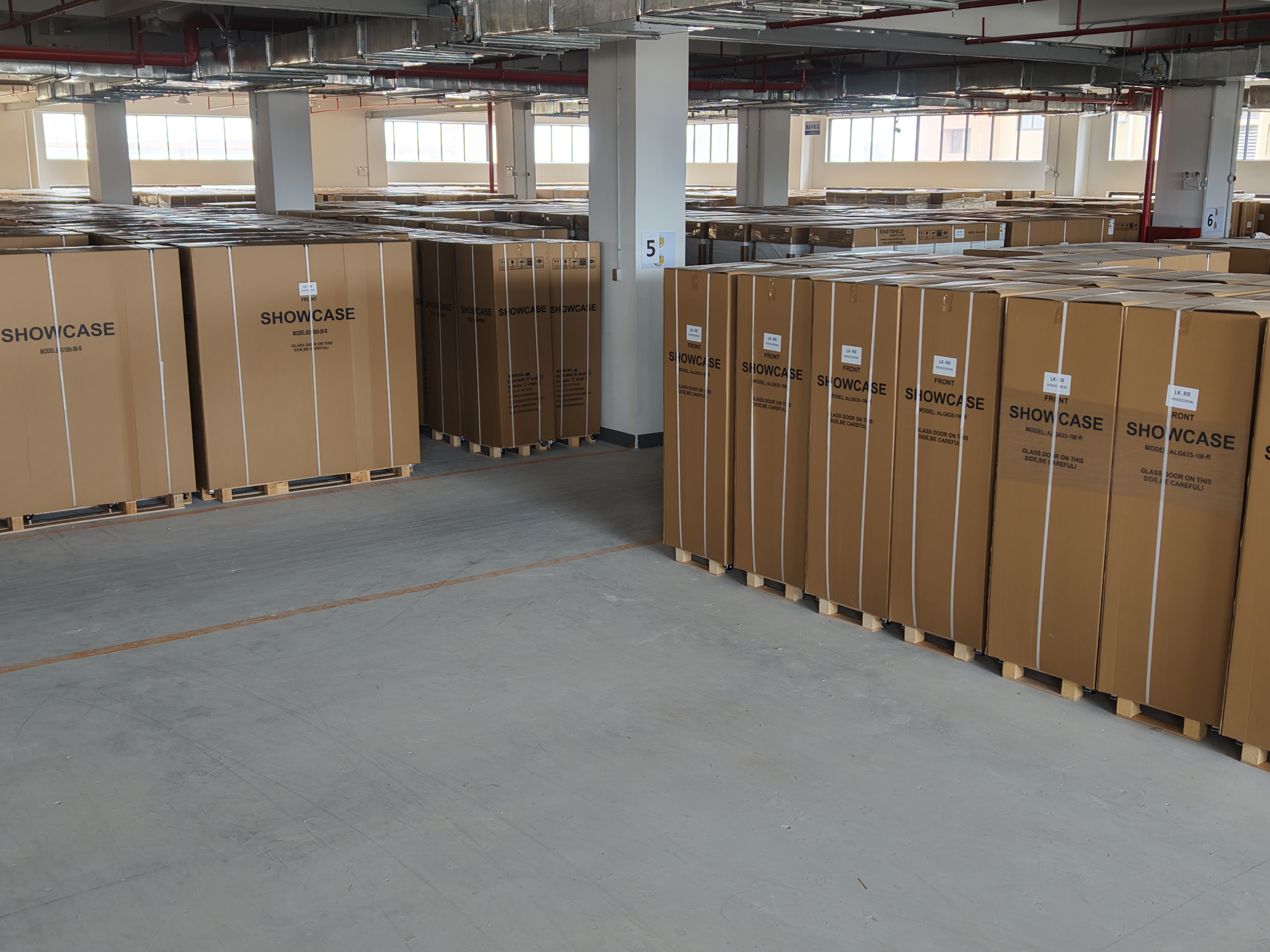
When regional shipments slowed down, we did not shut down our production lines. Instead, we executed a counter-cyclical investment: we deliberately expanded our finished goods warehouse capacity from 5,000 square meters to a massive 10,000 square meters.
We built up our inventory and operational readiness, anticipating the exact moment when our clients' local stock would run dry. We prepared our physical infrastructure so that when the inevitable market rebound occurred, we could fulfill massive emergency volume orders immediately without manufacturing delays. We knew that when the Iraqi summer peaked, the procurement orders would return with extreme urgency.
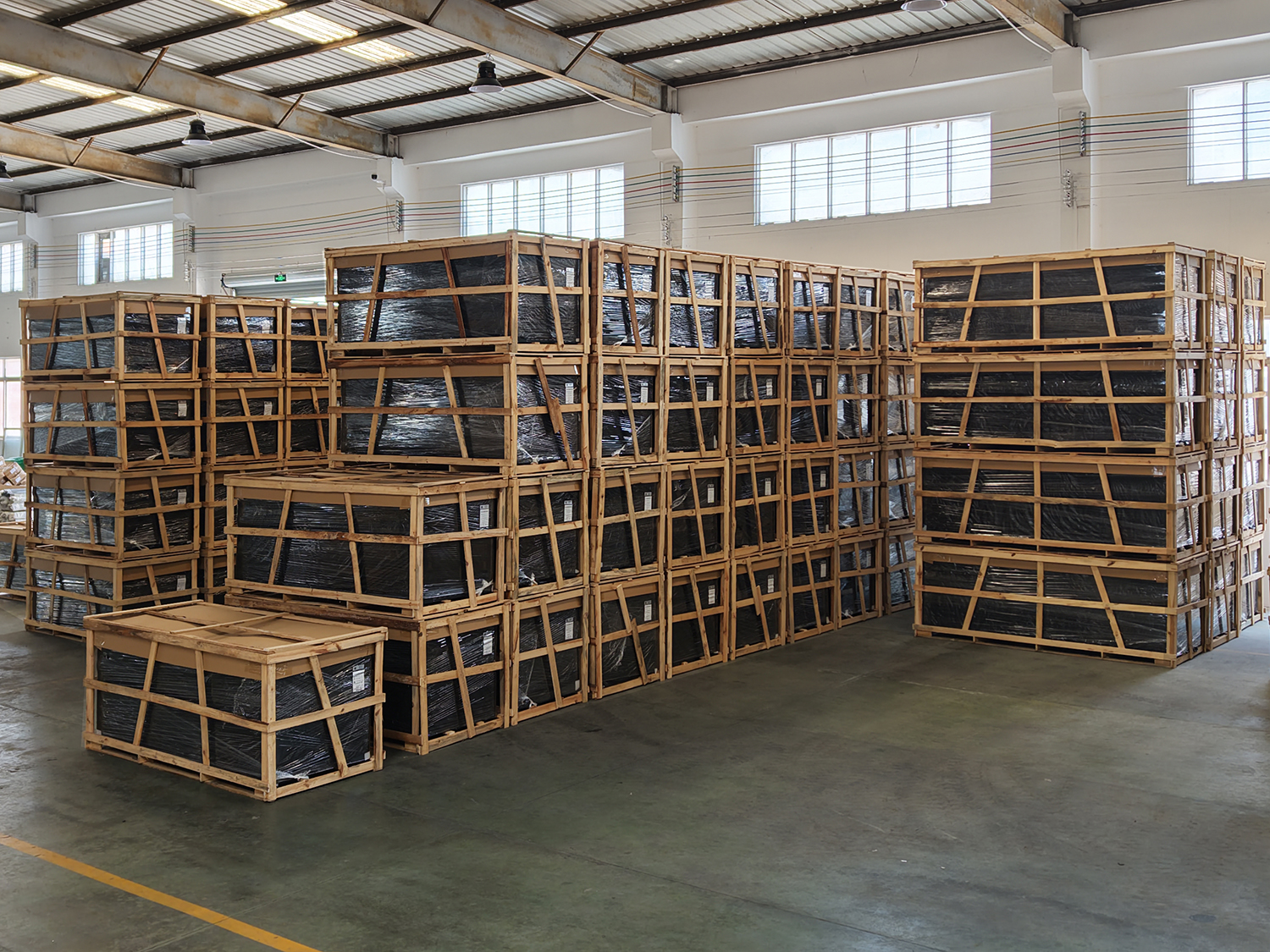
Delivering 8,000 upright glass door refrigerators in 30 days is a monumental manufacturing task, but it carries the heavy weight of a four-year partnership. When the industry faced its most difficult period, our client trusted us to deliver. In return, our proactive 10,000-square-meter warehouse expansion proved that we are fully capable of honoring that trust.
The Middle East market in 2026 remains highly volatile. Yet, one business fact remains absolute: rigid market demand does not vanish. Partners who stand together, prepare proactively, and invest heavily in their physical supply chain infrastructure during periods of instability will ultimately capture the market when the tide turns.
Partner with a heavy-duty manufacturer that maintains massive factory-direct inventory to protect your retail distribution network against supply chain shocks.
Email: joe@easymancool.com WhatsApp: +86 153 9898 6806


